
 Mexico Chiapas Ocosingo
$0 needed of $35,300
Implementing Organization
Mennonite Central Committee (MCC)
Program Summary
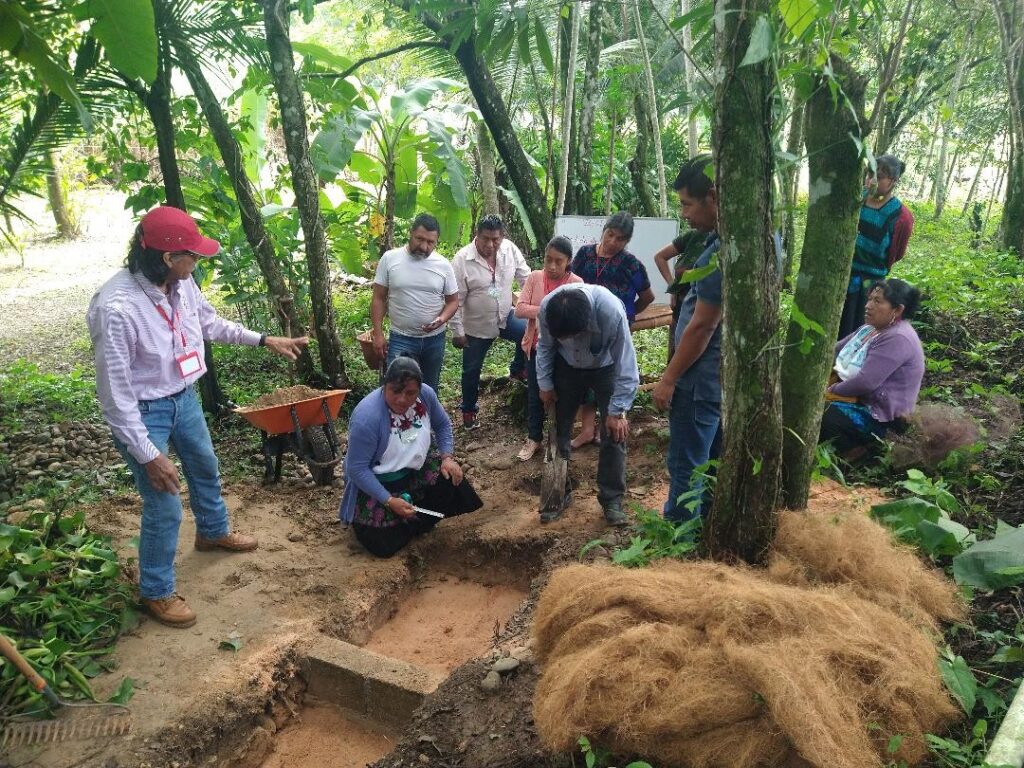
The Mexican state of Chiapas has abundant natural wealth, but as a result of social and political factors, most rural families face extreme poverty. There are few opportunities for employment and farming is challenging. Most families do not have access to irrigation or training on agricultural techniques that are well suited to this drought prone region. This program is a continuation of the ongoing work of local partner, IESII, to strengthen farming techniques that promote sustainable food sovereignty practices in indigenous communities in the Central and High regions of Chiapas. The goals of the program include increasing and diversifying organic food production for family consumption, expansion of water management and access options, and improving soil health. The program focuses on practical workshops and intercommunity exchanges about rainwater harvesting systems, sanitation, homemade water filters, community agreements for management of water, planting vegetables, homemade composts and bio-insecticides, planting fruit trees, agroforestry systems, and poultry management.
Mexico Chiapas Ocosingo Program Update
Success Stories
Water, Seeds, Trees and Workshops
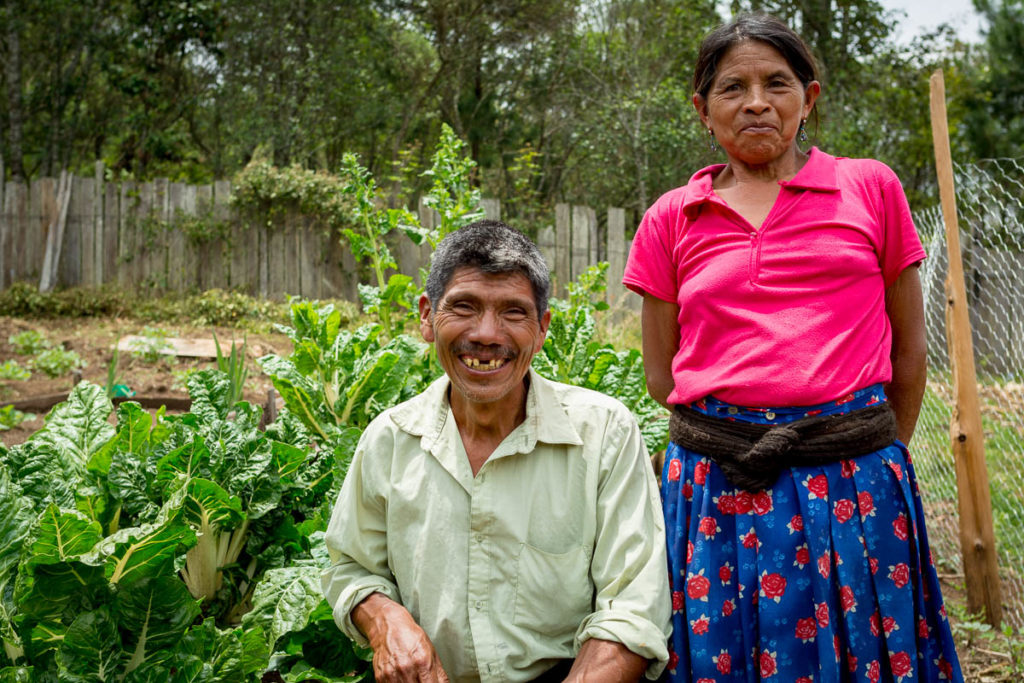
Angelina, a smallholder farmer, says that, before her community took part in the food security program administered by local partner IESII, they knew very little about crop management. They now have a wealth of useful experience and knowledge, which is evident in the diversity of plants growing on their land and the excess produce they’ve been able to sell.
She says, “We now know that there are healthier ways to take care of and protect our crops from pests and diseases without using chemical products. In fact, we make natural fertilizers and pesticides with materials that we have in the region.”
She and other participating farm families have received different kinds of vegetable seeds, which they’ve planted, harvested, consumed and sometimes sold. Angelina has also planted a wider variety of fruit trees on her land, including lemon, peach, guava and avocado. She followed all protocols and feels happy that she didn’t lose even one during the initial stages. Some of the trees are already blooming and bearing fruit, and all of them will add to the nutritional complexity of her family’s diet. Eventually she expects to have enough extra to share, barter or sell to people who visit her farm.
Angelina says she personally likes any and all workshops IESII gives, because she has always been someone who likes to learn new things that have the potential to improve her living conditions. One was on water conservation. “Since water can be scarce,” she says, “we are all encouraged and supported in putting in place a rainwater collection system for the runoff from our roofs for irrigating our vegetables. We also learned about biofiltration of previously-used water from our homes.”
She is pleased that all of the participants get along well. Each family works its own space or garden and they learn together at workshops. She values meeting with other women as an opportunity to share knowledge and life experiences. Angelina is very grateful for all she and her neighbors have learned through the program.
Mexico Chiapas Ocosingo Program
Led by Mennonite Central Committee and Local Partner Institute of Intercultural Studies and Research (IESII)