
 Cameroon Far North
$34,215 needed of $110,268
Implementing Organization
Presbyterian Church (USA)
Program Summary
This program is working in the Far North of Cameroon, the poorest and most populated region of the country. For several decades, hunger and poverty, exacerbated by drought and increased insecurity have been major challenges in the area and have contributed to a massive rural exodus.
In order to reduce hunger and improve food security in the region, the program is promoting sustainable methods for increased food production. Cereal banks are also being started in some villages while existing cereal bank management is being improved in other villages. Local partner RELUFA has over 15 years of experience using cereal banks as a strategy to reduce food insecurity.
Cameroon Far North Program Overview
Waza's Story - Cameroon Far North
Success Stories
Local Groups Establish Community Seed Fields
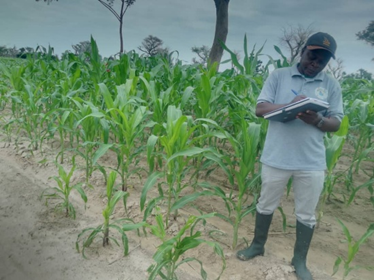
One of the key challenges farmers face in the Far North Region of Cameroon is finding enough high-quality seeds to plant. The program is working to alleviate that challenge through the establishment of community seed fields, with a goal of providing sustainable access to this key piece of the farming puzzle.
This year four villages received support from local partner RELUFA to establish community seed fields, expanding upon the efforts of three villages that got started last year.
One of the groups established last year was the Gourringuel Common Initiative Group. RELUFA helped them get started with 30 lbs. of quality maize seeds and a grant of $745 for other input expenses. They planted the seeds and cared for the field throughout the growing season. Their first year was a huge success, generating 3,970 lbs. of quality seeds at harvest. They sold the seed to area farmers and earned $275. They decided to use a portion of the proceeds to strengthen their seed stock for the next year and divided the other income among themselves.
They received additional support from RELUFA in their second year and are generating a good income through the seed sales, while also providing an important service to other farmers in the area. With RELUFA’s support, the group has decided to become independent seed producers, which involves making a declaration to the regional delegation (local government). They have gotten started with that process and were honored to be invited to an upcoming event where they can promte their products.
While the group is thrilled with their success so far, they also recognize the need for ongoing training and support to continue improving their yields. They are grateful for the support from RELUFA that has helped them to come this far and are looking forward to continued technical advice.
Cameroon Far North is led by Presbyterian Church (USA) and local partner Reseau de Latte Contre la Faim (RELUFA)